
Hill Descent Control: Safe & Confident Techniques
Master the art of controlled downhill driving with step-by-step guidance on using your vehicle's hill descent system and maintaining stability on extreme grades.
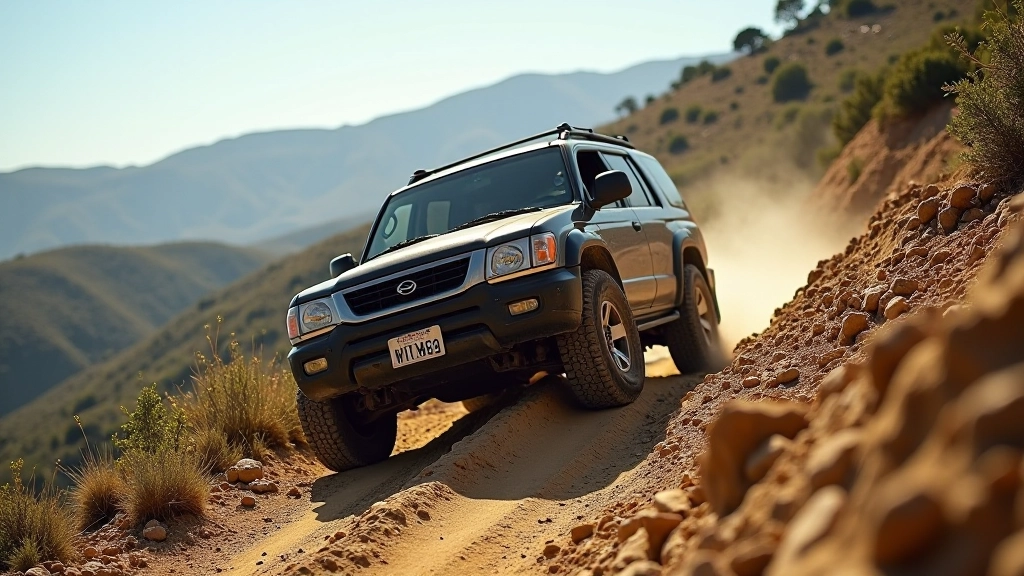
Going downhill in a 4x4 isn't just about pointing the vehicle downslope and hoping for the best. It's a skill that separates confident drivers from nervous ones. Hill descent control systems exist for a reason — they're designed to take the stress out of steep terrain while you focus on line choice and smooth inputs.
The good news? Modern hill descent control (HDC) does most of the heavy lifting. But you need to understand how it works, when to use it, and what happens when you're on terrain too extreme even for technology. We'll walk you through everything you need to know.
Understanding Hill Descent Control Systems
Hill descent control isn't magic — it's intelligent brake management. When you engage HDC, the system monitors your vehicle's speed and automatically applies the brakes to individual wheels to maintain a steady, controlled descent. Most systems keep you at around 3-6 mph on steep terrain.
Here's what happens behind the scenes: sensors detect wheel speed changes, the system calculates how fast you're accelerating downslope, and hydraulic pressure is applied to slow individual wheels. It's working constantly, making micro-adjustments you'd never be able to make manually.
The beauty of HDC? It frees your foot from the brake pedal. On a long descent, holding the brake creates heat buildup that can lead to fade. HDC distributes braking across all four wheels and uses engine braking alongside hydraulic pressure. You'll actually arrive at the bottom with cooler brakes than if you'd been riding the pedal the whole way down.
Key point: Hill descent control isn't a substitute for proper technique. It's a tool that makes confident driving possible. You still need to choose the right line, avoid obstacles, and understand your vehicle's limits.
Activating and Monitoring HDC
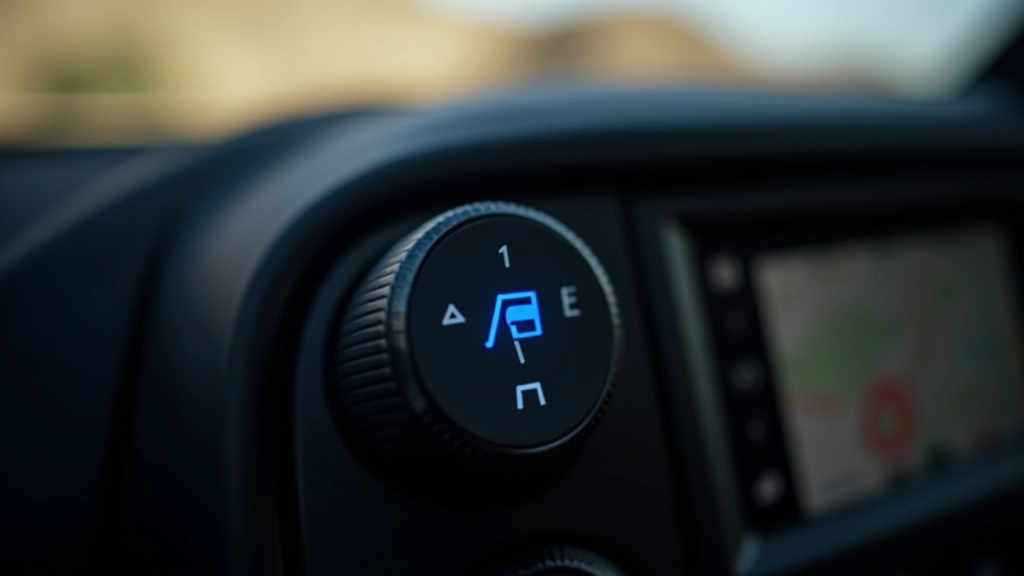
Most systems activate with a simple button press on the dashboard or steering wheel. You'll see a light illuminate — usually green or blue depending on your vehicle. Some trucks require you to shift into low-range 4WD first. Always check your owner's manual because activation varies significantly between manufacturers.
Once engaged, you'll feel a slight drag as the system takes over. Don't fight it. Keep your foot off the brake pedal and let the system do its job. If you need to stop quickly, the brakes are still responsive — HDC doesn't disable them, it just manages routine speed control.
Watch your instrument cluster. Most vehicles show real-time descent speed. You're aiming for steady, consistent speed rather than a series of braking surges. If the speed is dropping below 2 mph, you might be going too steep for safe HDC operation.
One thing people don't realize: HDC can overheat in extreme conditions. On a long descent over 15-20 minutes, brake temperatures rise. Some systems will reduce power or disengage temporarily. This isn't a failure — it's the system protecting itself. Plan your route so you're not constantly in HDC mode.
Important: Hill descent control is designed for moderate slopes and standard off-road conditions. Choose activities that match your vehicle's capabilities and your driving experience. Check local terrain conditions before attempting steep descents, and consult your vehicle's manual for specific HDC limitations. If you're new to off-road driving, practice on gentler slopes first and consider training courses to build confidence safely.
Line Choice and Speed Management
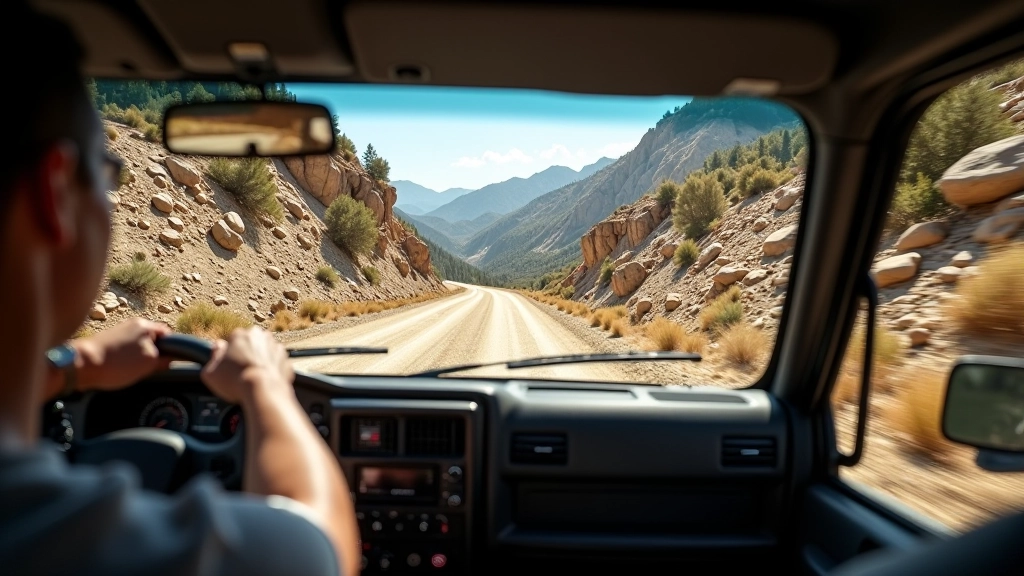
Here's where your skill comes in. HDC handles speed, but you handle everything else. Look ahead — really ahead, not just at the immediate terrain. Identify rocks, ruts, and washouts. Choose a line that keeps you on stable ground and minimizes lateral tilt.
Steep doesn't always mean straight down. A diagonal line across a slope can be safer than dropping straight. You get better traction, less body roll, and more control. The speed is the same thanks to HDC, but your line choice determines whether you're comfortable or white-knuckling the steering wheel.
Momentum matters. Once you're moving downslope, maintain steady speed rather than stopping and starting. Stopping mid-descent and trying to get moving again can be sketchy. Plan your route so you're not making multiple starts. HDC helps here — consistent speed means you're not fighting physics.
When to Disengage and Manual Control
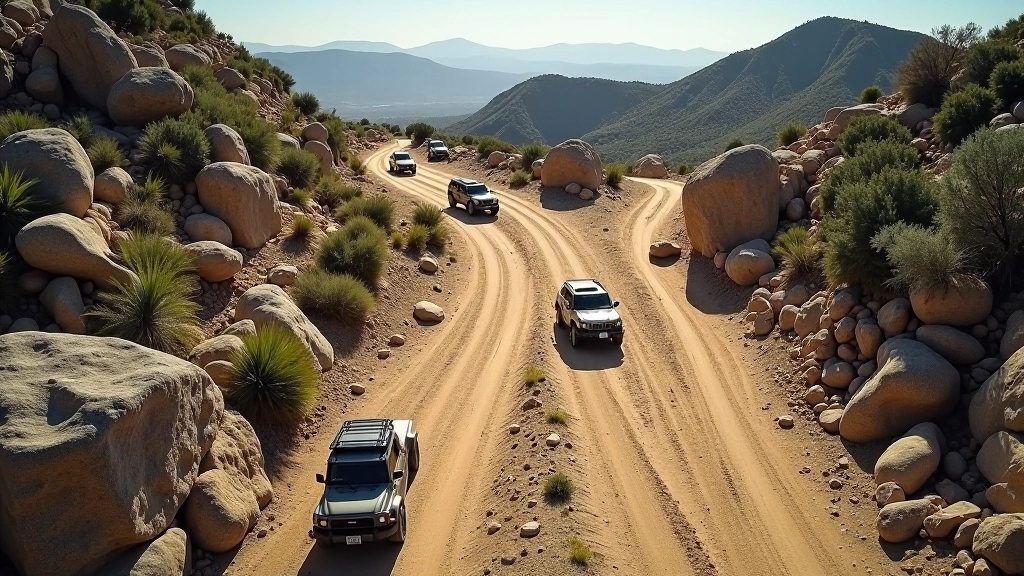
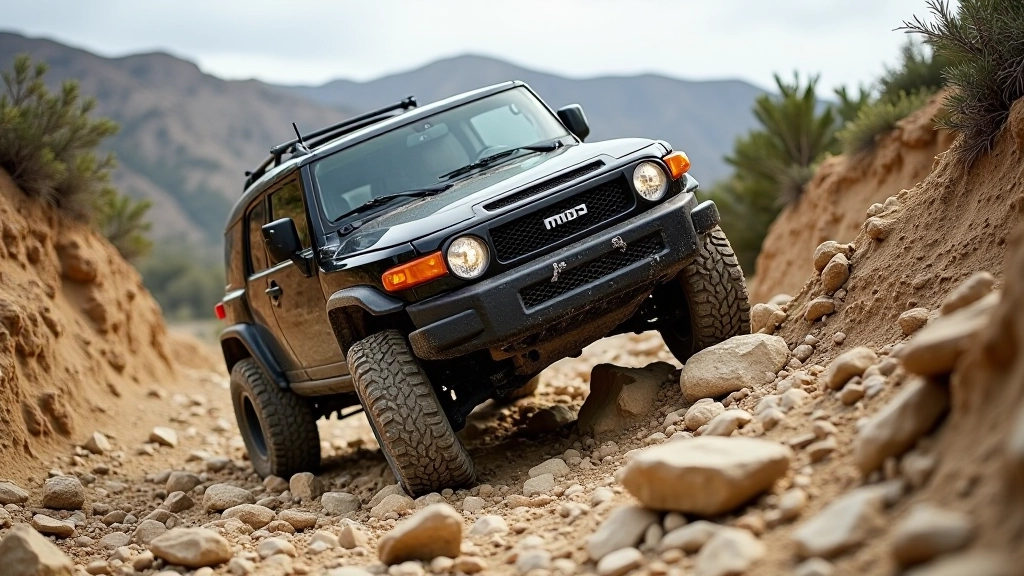
Some situations call for turning off HDC and managing descent manually. Extremely rocky terrain with large boulders sometimes requires rapid, precise brake inputs that the system isn't designed for. Soft surfaces like sand or mud can be tricky too — HDC assumes standard friction levels, and loose material might not provide enough feedback.
When you're flying solo with manual control, use gentle brake pressure. Think of it as feathering the pedal rather than grabbing it. You're trying to maintain steady speed without locking wheels. Feel the terrain feedback through the pedal and steering.
Short descents don't need HDC. A 50-foot slope? Just use steady brake pressure. Save the technology for long, consistent grades where the system can actually shine. And remember — if you ever feel uncomfortable, stop. Getting out to scout on foot costs 10 minutes. A mistake costs way more.
Master the Technique, Trust the System
Hill descent control exists because downhill terrain demands respect. You've got the system working for you — consistent speed management, brake heat distribution, and precision control that you can't match manually. But the system works best when you're doing your part: choosing good lines, understanding your vehicle's limits, and maintaining awareness of what's ahead.
The confidence you'll build comes from practice. Start with gentle slopes, feel how the system responds, and gradually work into more challenging terrain. After a few sessions, using HDC becomes second nature. You'll stop thinking about the mechanics and start enjoying the drive.
Downhill driving isn't reckless speed. It's controlled, deliberate movement through difficult terrain. That's what separates experienced drivers from everyone else. And that's what hill descent control helps you become.