
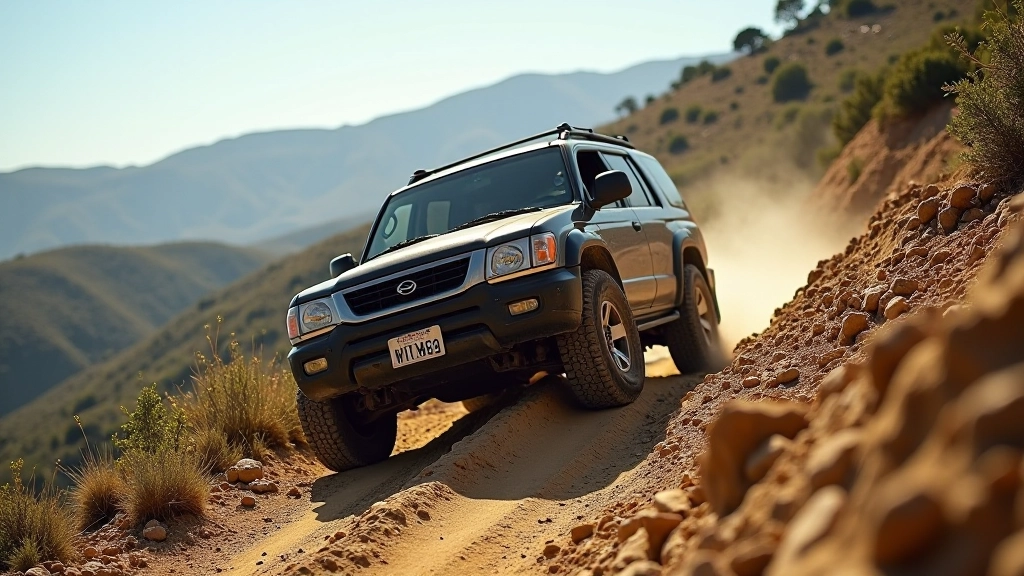
Hill Descent Control: Safe & Confident Techniques
Step-by-step guide to using hill descent control systems and maintaining stability on steep downhill sections.
Read GuideMaster traction control, tire pressure adjustments, and soil-type recognition to navigate mud, sand, rock, and gravel with confidence.

Driving a 4x4 off-road isn't just about having a powerful vehicle. It's about understanding how your rig interacts with the terrain beneath it. Whether you're facing a rocky slope, muddy track, sandy wash, or gravel plateau, the fundamentals remain the same — and they're learnable skills, not magic.
We've worked with hundreds of drivers since 2022, and the ones who excel do three things consistently. They understand tire mechanics. They read the ground ahead. And they respect what the terrain's trying to tell them. This guide covers exactly that.
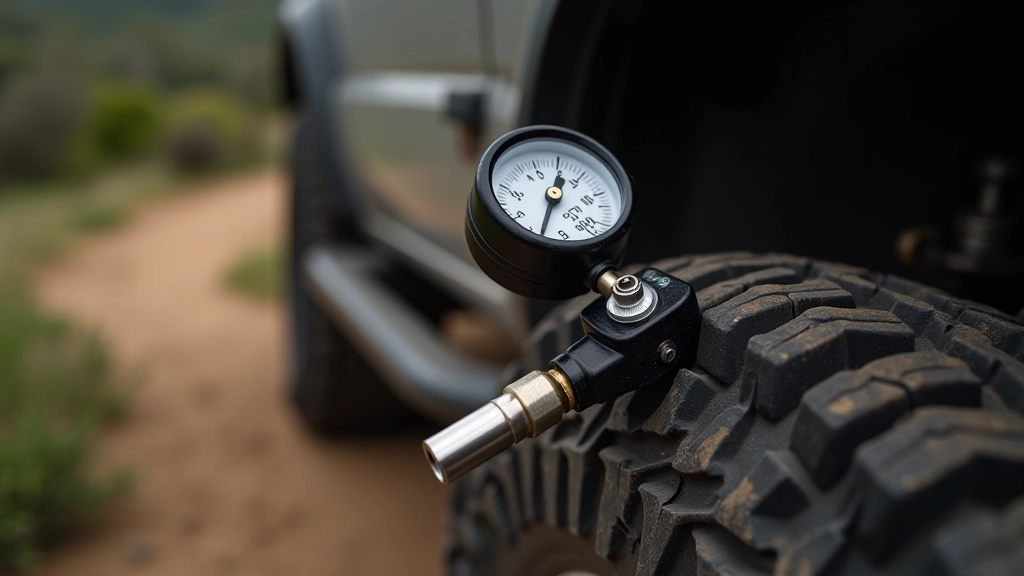
Here's something most beginners don't realize — tire pressure is your first line of terrain control. Lowering pressure increases the tire's footprint, giving you more grip on soft surfaces. But there's a window. Go too low and you risk sidewall damage. Too high and you'll bounce right off loose terrain.
For rocky terrain, you're typically running 18-22 PSI depending on your vehicle mass. Sand? Drop to 12-16 PSI. Mud demands 14-18 PSI. The trick is knowing your vehicle's limits — check your door jamb placard for the factory minimum, then work downward from there. We've seen drivers cut their recovery time in half just by adjusting pressure before a challenging section.
Important Note
Choose driving activities that match your fitness level and vehicle capabilities. Check local conditions and trail regulations before traveling. If you have health concerns or physical limitations, speak with your doctor before attempting challenging terrain.

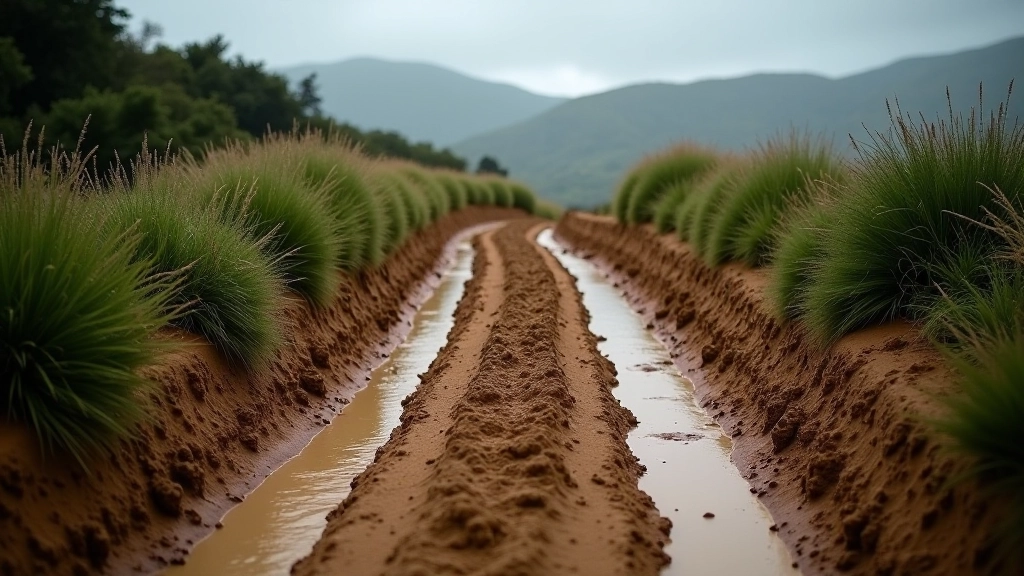
Different soils behave completely differently under a 4x4. Sand will compress and support you if you keep momentum steady. Rock demands precision — one wrong line and you're high-centered. Mud's deceptive. It looks solid from distance but changes grip unpredictably as you move through it.
The skill here is looking 50 meters ahead. What's the soil color? Is it cracked or smooth? Are there water marks showing recent flow? Dark soil usually means moisture — more grip. Light sand means less traction. Rocky terrain shows you its obstacles clearly; just don't rush.
Traction control systems in modern 4x4s do impressive work, but they're reactive, not predictive. Use them as backup. Your eyes and experience are the real tools. And don't be afraid to engage lockers on serious terrain — they're built for this.
This one's counterintuitive for new drivers. In sand, you need momentum — stop and you'll sink. But that doesn't mean floor it. Steady throttle, smooth steering. You're looking for that balance where your tires are working, not wheelspin happening.
In rock, momentum is your enemy. Slow, deliberate, picking lines. You want traction more than speed. In mud, it's somewhere between — enough momentum to carry you through, but controlled enough that you're not sliding sideways.
Pro tip: Most recoveries happen because someone panicked and punched the throttle. Stay smooth. If you're stuck, reversing out gently beats digging in deeper 9 times out of 10.
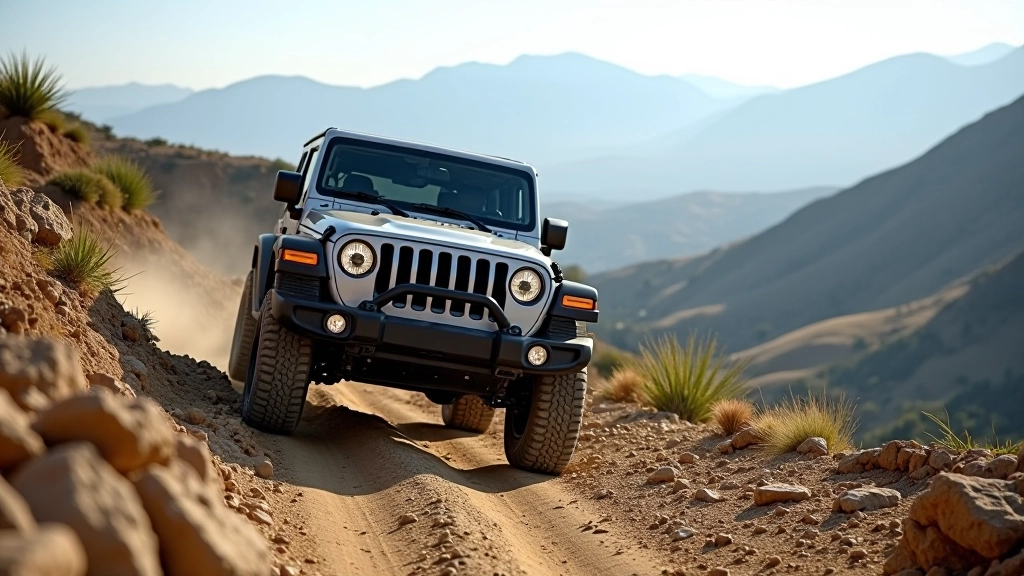
You can't drive terrain well in a poorly set-up vehicle. Suspension geometry matters. Too stiff and you lose traction because tires aren't staying planted. Too soft and you're wallowing around. Most factory setups are actually pretty good — they're designed with a range in mind.
Approach angles, departure angles, and breakover angles determine what terrain you can actually handle. A vehicle with 25 degrees of approach angle handles steep inclines differently than one with 35 degrees. Know your numbers. It takes 10 minutes to look them up and it'll save you from getting stuck.
Ground clearance matters too, especially in rocky terrain. We're not talking about lifted vehicles — we're talking about understanding your actual limits. If you know your vehicle has 8 inches of clearance, you won't attempt sections requiring 10.
Here's what separates confident off-road drivers from nervous ones — it's not aggression or special equipment. It's understanding. You understand tire mechanics, soil behavior, and your vehicle's geometry. You read terrain 50 meters ahead. You make small corrections instead of big panic moves.
These fundamentals aren't tricks. They're learnable, observable principles. The first time you air down your tires and feel how much better they grip, you'll get it. The first time you successfully navigate mud by staying smooth instead of throttle-stomping, it'll click. That's when off-road driving stops feeling risky and starts feeling controlled.
The terrain isn't your enemy. It's just terrain. Learn its language and you'll drive it confidently.
Step-by-step guide to using hill descent control systems and maintaining stability on steep downhill sections.
Read Guide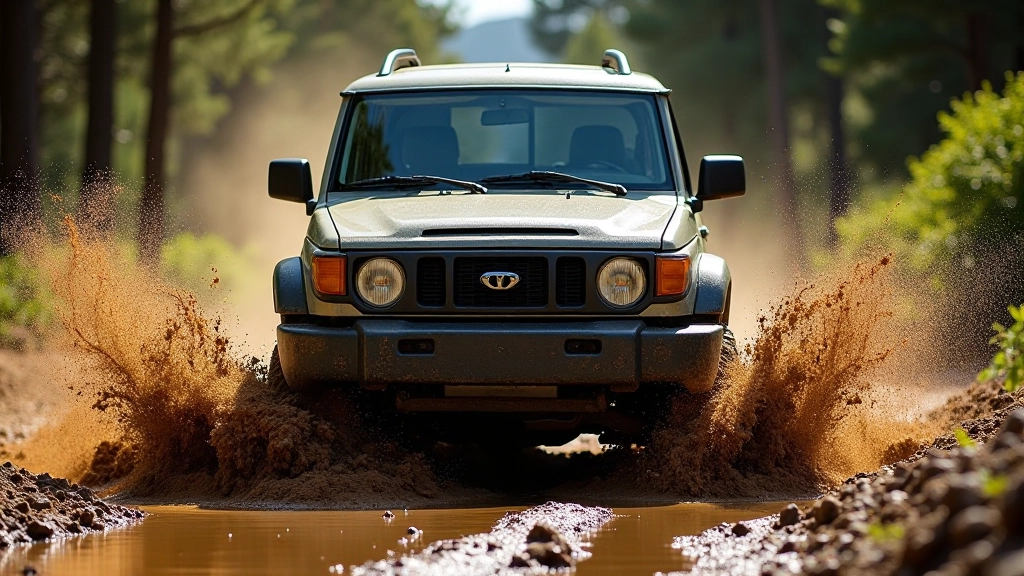
Master soft-surface driving with proven tire pressure settings, speed control, and recovery techniques.
Read Guide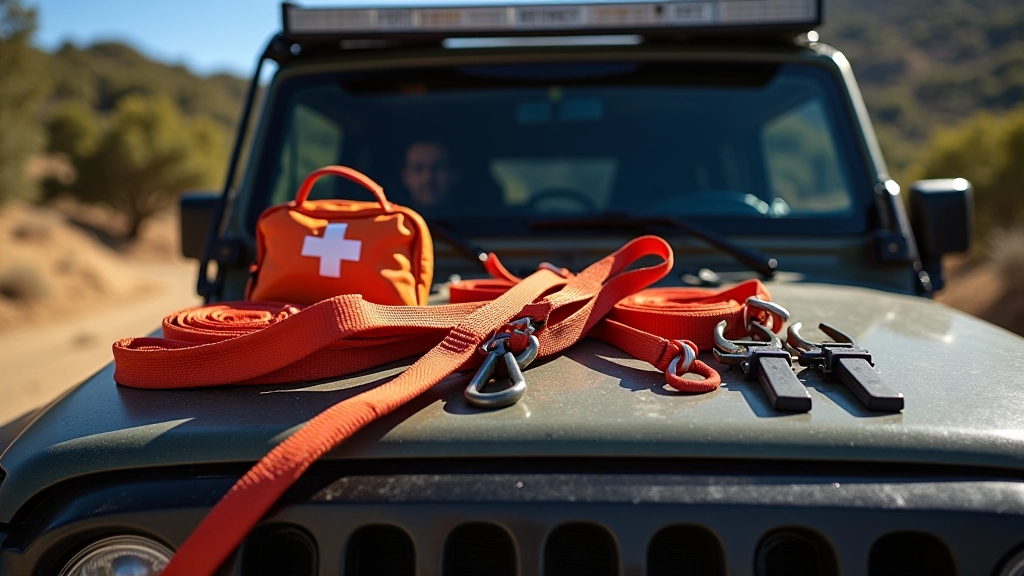
Essential safety protocols, communication with other drivers, emergency recovery procedures, and risk management.
Read Guide
Author
Editorial Team
Written by the Chambers Craft editorial team, focused on clear, honest guidance for off-road driving and terrain navigation.