
Trail Driving Safety: What Every Adult Driver Needs to Know
Essential safety protocols, communication strategies, and emergency procedures for remote trail driving. Real techniques that keep you and your group safe when things don't go as planned.
Why Trail Safety Matters More Than You Think
You're miles from cell service. Your vehicle just bottomed out on a rocky descent. The group behind you hasn't radioed in for ten minutes. This is when preparation separates confident drivers from panicked ones.
Trail driving safety isn't about being fearful — it's about knowing what to do before something goes wrong. We've spent years helping drivers aged 35-65 develop real skills that work when conditions get tough. Not textbook theory. Real techniques that actual experienced drivers use.
The fundamentals don't change. Check your vehicle. Know your group. Communicate constantly. Have a plan B. But getting these right? That's what we'll cover here. The kind of practical details that actually save situations.
Pre-Trail Vehicle Inspection: The Non-Negotiable Checklist
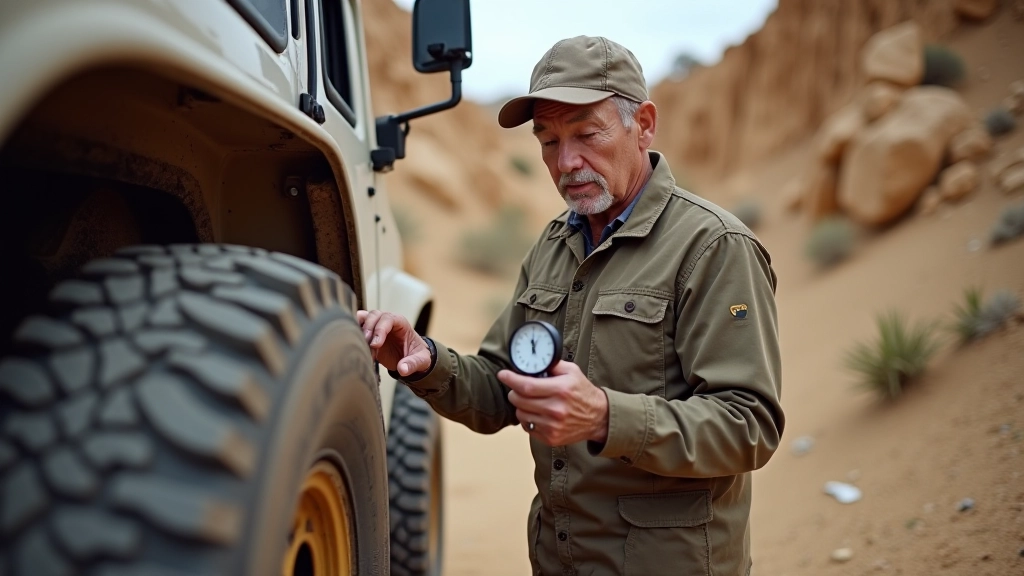
Before you even leave the parking lot, your vehicle's condition sets everything else up. We're not talking about taking it to a shop. We're talking about spending 20-30 minutes doing a proper walk-around that catches the things that'll actually matter out there.
Critical Inspection Points
- Tire condition: Look for cuts, bulges, uneven wear. Check pressure when cold — adjust 2-4 psi lower for soft surfaces.
- Fluids: Oil, coolant, brake fluid, power steering. Low levels cause problems when you're climbing steep terrain.
- Brakes: Soft pedal, unusual noise, or pulling means repair before any trail. Non-negotiable.
- Lights: All working — headlights, brake lights, reverse lights. You might need them in a recovery situation.
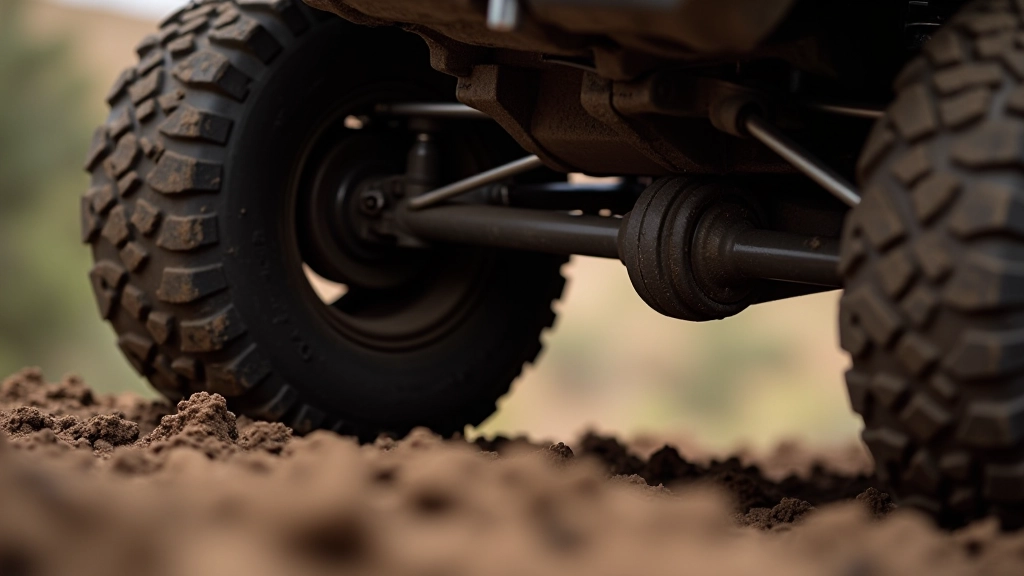
- Suspension: Look for damage, leaks, excessive sag. This system handles everything — rocks, washouts, steep angles.
- Recovery points: Ensure your tow hooks or D-rings aren't damaged and actually mounted securely.
Here's the thing about this checklist — it's not about perfection. It's about knowing your vehicle's actual condition before you're depending on it. A vehicle with known issues you can work around is safer than one where you don't know what might fail.
Choose activities that match your fitness level and vehicle condition. Check local trail conditions before travelling. Speak with your healthcare provider if you have health concerns before starting a new activity. Trail driving involves physical exertion and exposure to rough terrain — assess your own comfort and capability honestly.
Group Communication: Your Most Important Safety Tool
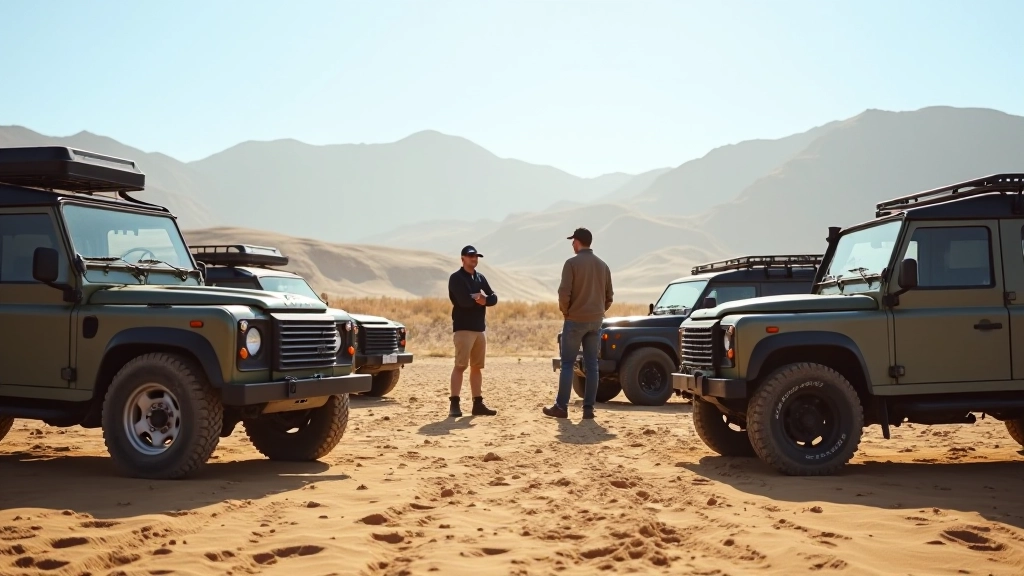
Driving alone is one risk. Driving in a group where nobody's talking to each other is a different problem entirely. We've seen groups where the lead vehicle has no idea the third vehicle is having trouble. That's how people get stranded.
Communication systems don't need to be fancy. They need to be reliable and used consistently. CB radios work fine for trails within 5-10 miles of each other. Modern UHF radios give you better range. What matters is everyone in your group has one, knows the channel, and actually uses it.
Communication Protocol That Actually Works
Establish this before you start:
- Check-in frequency: Every 15-20 minutes minimum. Just a quick "vehicle 3 rolling" confirms everyone's moving.
- Lead/sweep positions: One experienced driver leads. One stays in the back. Middle vehicles stay between them.
- Problem calls: Any vehicle that stops, loses power, gets stuck calls it out immediately. Everyone knows to hold position.
- Navigation points: Call out hazards as you reach them — "rocky section ahead," "water crossing coming." Next vehicle knows what's coming.
The biggest communication mistake? People get embarrassed about reporting problems early. Someone's getting worried about a noise in their engine, but they don't want to slow the group down. So they wait until the engine actually fails. That's when you're genuinely stuck.
Create a group culture where speaking up is expected. "I'm not sure about this water crossing depth — want me to check it?" That's not weakness. That's the difference between a good day and a rescue situation.
Emergency Recovery: Know Your Options Before You Need Them
You're stuck. Actually stuck — high-centered on a rock, bogged in mud deeper than you expected, or just too steep to move. Your group's there. You've got recovery gear. Now what?
Recovery isn't heroics. It's physics and patience. The biggest danger in a recovery situation is people trying to force things instead of thinking through the best angle and method.
Recovery Sequence That Reduces Risk
Stop and Assess
Don't spin wheels. Don't rev the engine. Stop completely. Get out and look at the actual situation. Where's the vehicle hung up? What direction will release it? Is terrain stable or will recovery movement cause something worse?
Position Recovery Vehicle
Your recovery vehicle (usually a second 4x4 from the group) positions perpendicular to the stuck vehicle. Angled recoveries cause rollovers. Straight line, solid traction, secure anchor points — this is the setup.
Secure the Strap
Use a kinetic strap (rated for your vehicle mass), not just any rope. Attach to frame recovery points, never to bumpers. Check both anchor points are actually solid. A failed recovery strap becomes a projectile.
Controlled Movement
Recovery vehicle pulls steady and smooth — not jerking. Stuck vehicle driver is ready to help with light throttle. Recovery often happens in stages. If it's not moving after 30 seconds of pulling, stop and reassess. Don't force it.
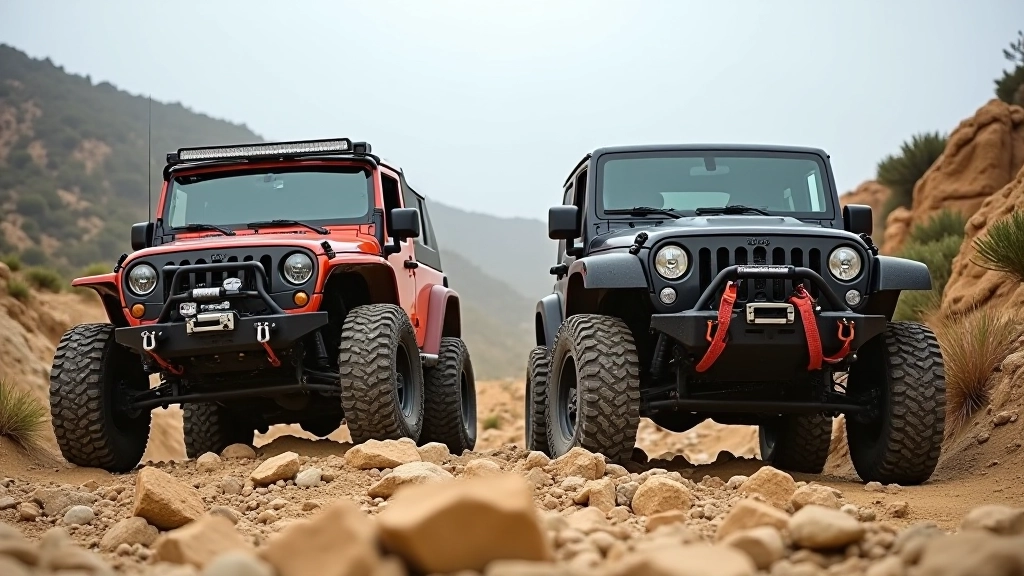
Most recoveries happen at maybe 50% throttle. If you're spinning wheels and the vehicle isn't moving, more power isn't the answer. You need a different angle or a different approach. That's when you call someone in the group who's done this before. That's when experience actually saves the day.
What to Pack: The Difference Between Ready and Hoping
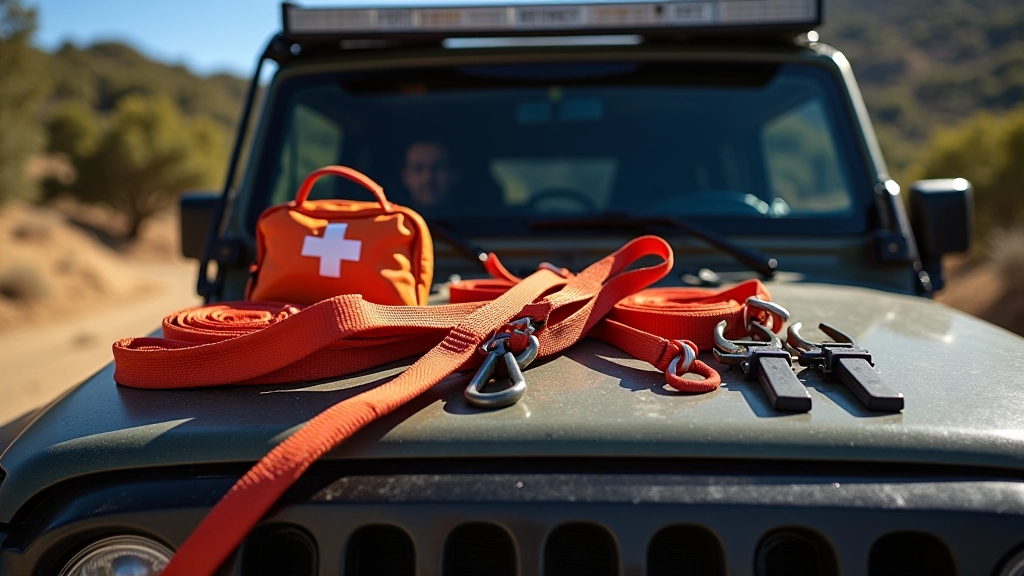
You can't plan for every possibility. But you can pack for the ones that actually happen. Recovery gear, water, first aid, communication backup — these aren't paranoid. They're the difference between handling a situation and becoming the situation.
Recovery Gear
Kinetic strap rated for your vehicle mass, d-ring shackles, snatch blocks, traction boards, tire plugs and pump.
Water & Supplies
2 liters minimum per person. Basic food. Sunscreen. Insect repellent. Extra blanket. Things that matter when you're delayed.
Safety Kit
Actual first aid supplies, not just bandages. Antiseptic, gauze, tape, pain relievers, anti-inflammatory. Someone in your group should know basic first aid.
Communication Backup
Primary radio for everyone. One satellite communicator or personal locator beacon for the group. Means to contact help if cell service fails.
The gear itself is just objects. What matters is knowing how to use it. A kinetic strap in your vehicle doesn't help if you've never connected one. A first aid kit doesn't help if nobody's trained. Before you head out on serious trails, practice these skills with your group when things aren't pressing.
Your Final Safety Check: Planning the Drive
Safe trail driving starts before you leave the driveway. It's in the decisions you make about route difficulty, timing, group composition, and what you'll do if plans change.
Choose trails that match your group's actual skill level — not where you want to be, but where you are right now. Be honest about that. A group of drivers aged 45-60 who've done easy-to-moderate trails should spend a full season there before moving to technical terrain. That's not weakness. That's how people develop real skill and confidence.
Start early in the day. Afternoon breakdowns turn into evening problems. Evening problems become darkness and cold. Start when you've got daylight ahead of you.
Let someone outside your group know where you're going and when you'll have cell service again. Not paranoia. Just practical. If you don't show up on schedule, someone knows where to start looking.
Trail driving safety is built from small decisions made before anything goes wrong. Check your vehicle. Talk to your group. Pack what you need. Know what you'll do if something breaks. Drive within your actual abilities. These aren't secrets. They're just the things experienced drivers have learned work.