
Mud & Sand Navigation: Techniques That Work
Master soft-surface driving with proven tire pressure settings, speed control, and momentum management strategies.
August 2026
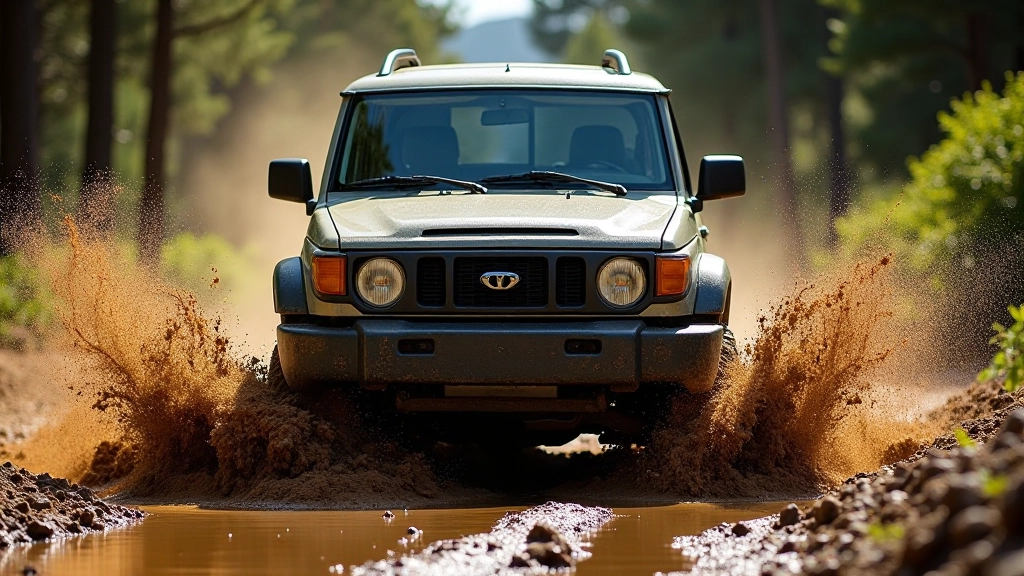
Why Soft Surfaces Are Different
Mud and sand don't behave like asphalt. Your vehicle sinks, loses traction, and responds differently to steering inputs. It's not just about power — it's about understanding how your tires interact with unstable surfaces.
We've spent time on trails across California's terrain, and the drivers who succeed aren't the ones with the most expensive vehicles. They're the ones who understand pressure, momentum, and patience. You'll learn the same techniques here.
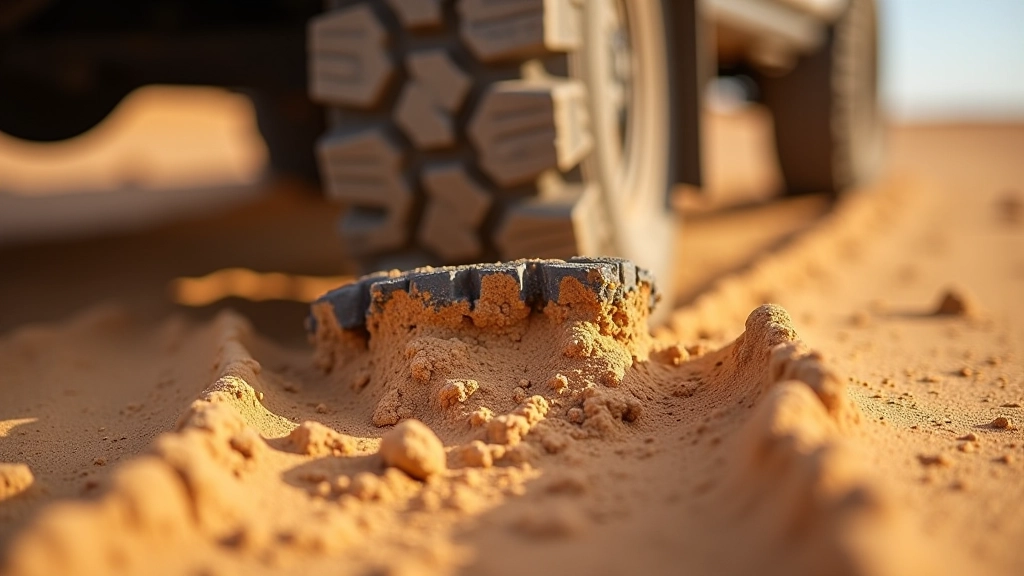
Tire Pressure: The Foundation
This is the single biggest mistake we see. Most people don't adjust their tire pressure for soft surfaces, and it costs them traction immediately.
For sand, you'll want to drop pressure to 15-18 PSI. For mud, 16-20 PSI works well. The lower pressure creates a larger contact patch — basically, your tire spreads out and grabs more surface area. It's like the difference between walking on sand in shoes versus barefoot. Your foot (tire) makes better contact when it can flex and spread.
Don't go too low though. If you drop below 12 PSI, you risk bead separation — that's when the tire sidewall actually pulls away from the wheel rim. That's expensive and dangerous. Keep it above 12 PSI and you're safe. Most modern 4x4s will tell you the pressure through the dashboard. Check it before you head out.
Before You Head Out: Choose terrain and driving that match your skill level. Check local conditions, weather, and trail status before you go. If you have any health concerns, speak with your doctor before starting off-road driving activities. Always wear appropriate safety gear and drive within your comfort zone.
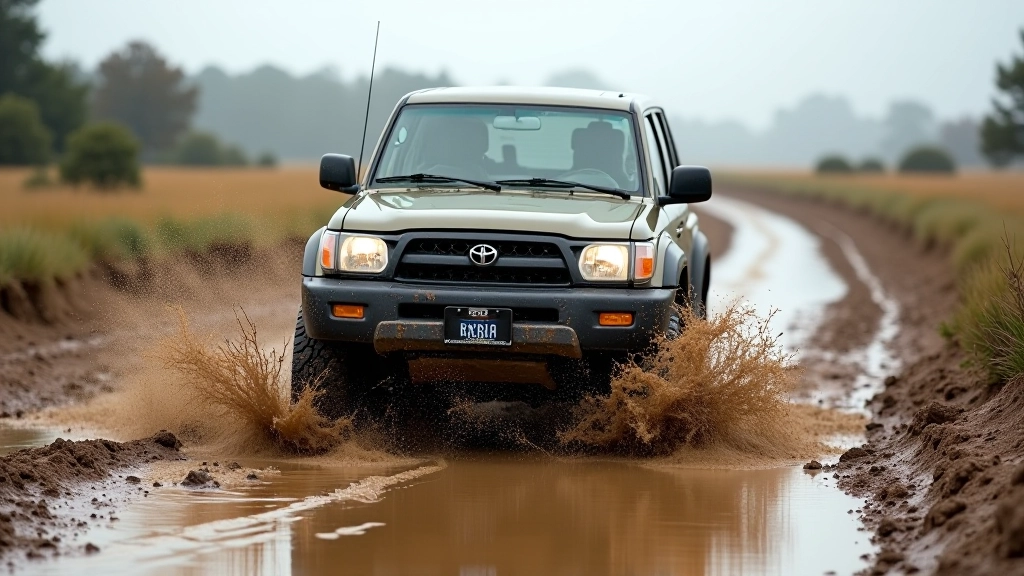
Momentum Is Your Friend
Once you're moving through mud or sand, don't stop. Momentum keeps you going when traction drops. It's counterintuitive — you might think stopping to reassess is smart, but it's actually when you get stuck.
The key is steady acceleration. Don't hammer the throttle. A smooth, consistent increase in speed lets your tires find traction without spinning and digging in. If you gun it, your wheels will just churn up mud and dig deeper. You'll see experienced drivers almost cruising through sections that look impossible.
Think of it like this: quick, aggressive inputs make soft surfaces angry. Smooth, patient inputs make them cooperative. We've watched drivers recover from mud sections that looked impassable just by keeping steady pressure and letting momentum do the work.
Speed Control & Line Selection
Speed matters, but not in the way you might think. You're not trying to go fast. You're trying to go consistently. A steady 5-10 mph through mud or sand keeps traction better than variable speeds.
Line selection is where skill shows up. Look ahead. Find the firmest path — where the ground looks less saturated, where previous vehicles have packed it down. In sand, the line that's slightly firmer will make a huge difference. In mud, follow established tracks when possible. They've already been compressed, so you've got better traction there.
If you hit a soft spot, don't panic and change direction suddenly. Keep your line. A sharp turn in soft terrain is when vehicles tip or get stuck sideways. Stay committed to your path, maintain momentum, and you'll power through.

Using Your Vehicle's Systems
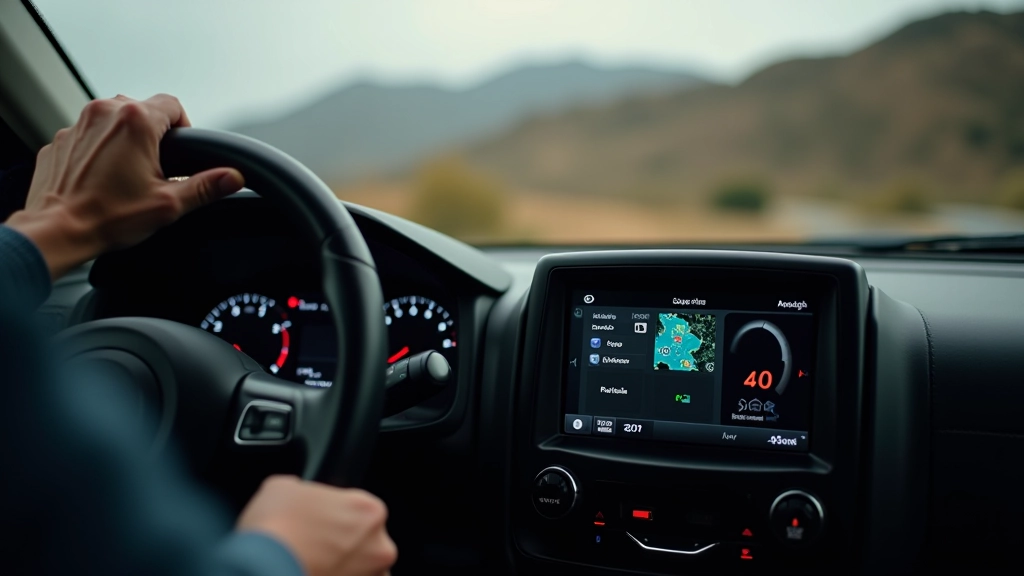
Modern 4x4s have traction control and diff locks. You need to understand what they do. Traction control helps when one wheel spins faster than the other. It applies brakes to the spinning wheel and sends power to the one with grip. It's helpful, but sometimes you need more.
A diff lock forces both wheels on an axle to turn at the same speed. This is powerful in mud and sand. When you lock the diff, you're saying "both wheels must work together." It's the difference between one tire spinning uselessly and both tires clawing for traction. Some vehicles have electronic diffs, others mechanical. Know which your vehicle has and how to engage it.
Hill descent control works on the way down. It manages braking so you don't have to ride the pedal. On sandy downslopes especially, this keeps you from sliding and losing control. Let the vehicle's systems do their job — they're designed for this.
The Real Skill Is Confidence
Tire pressure, momentum, speed control — these are the mechanics. But the real skill is knowing your vehicle, trusting your line, and staying calm when the surface gets unpredictable. Panic kills momentum. Doubt makes you hesitate.
Start on easier sections. Practice these techniques in controlled environments. Feel how your vehicle responds to pressure changes, to steady throttle input, to smooth steering. After a few hours, your hands and feet will understand what soft surfaces want.
The drivers who navigate mud and sand confidently aren't superheroes. They're just people who've spent time learning how these surfaces work and practicing until the technique becomes automatic. You can do the same. Get out there and learn.